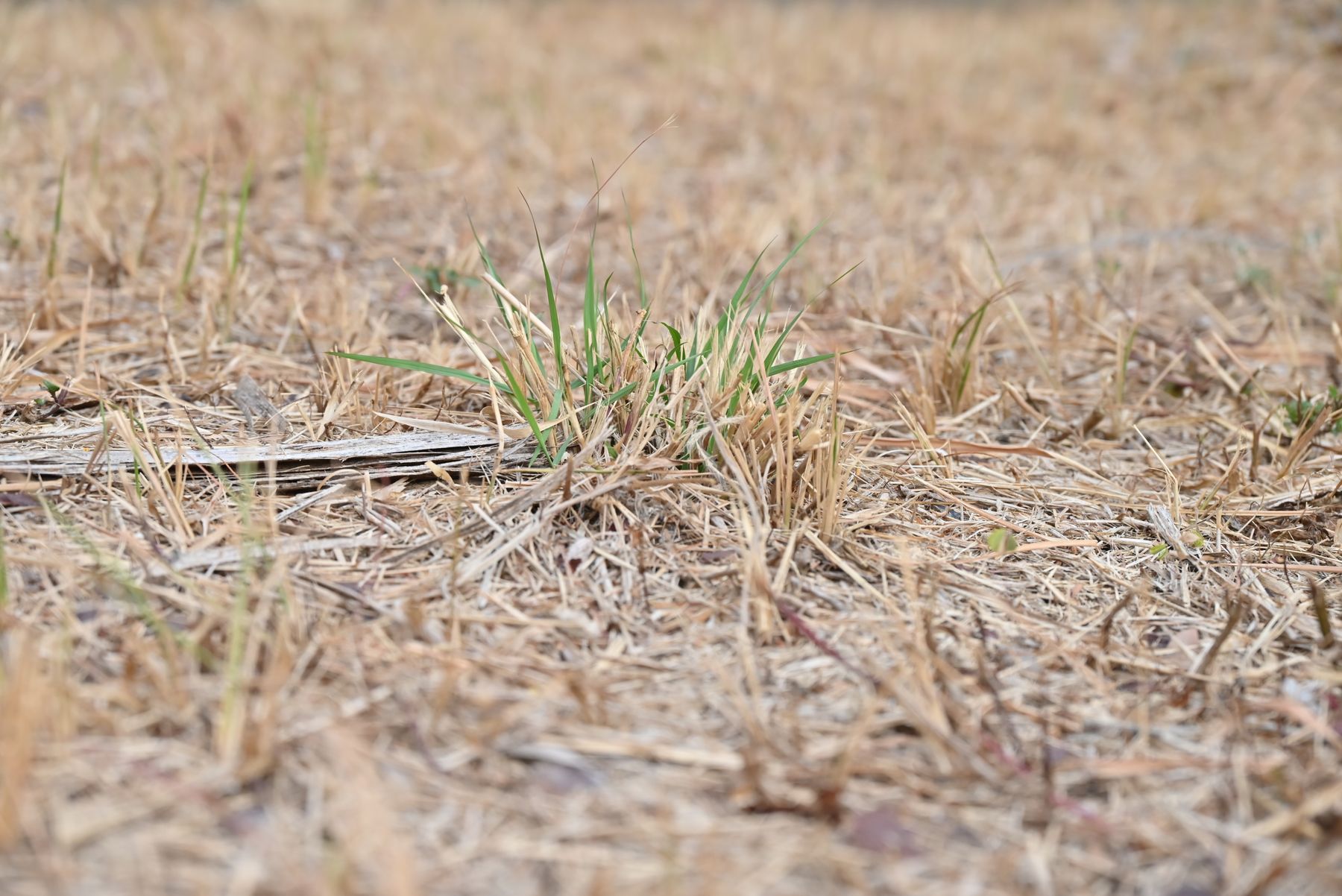
What a dry spot is, and why it matters
Even turf is even water, sun, and soil. A brown patch is rarely the whole system failing. It is usually one place the design, the head, or the grade cannot reach.
Adding ten minutes can green a lawn that was only a little short. It will not green a strip the water never touches. That is why you read the shape first.
How a dry spot forms
Water has to leave the nozzle, land on the turf, and stay long enough to enter the root. Break any of those three and a patch appears.
Dry spots are a drawing, not a clock problem
Heads should overlap to the next head. A brown ring, a gap, or a dry corner each points to a different fix.
How the pattern helps
A banana-shaped dry strip between two heads is almost always overlap. A perfect circle around one head is often a clogged or sunken head. A triangle by a new walk is often a throw that was cut.
Too little arrived
The gap never got wet. More minutes wet the middle more. The gap stays.
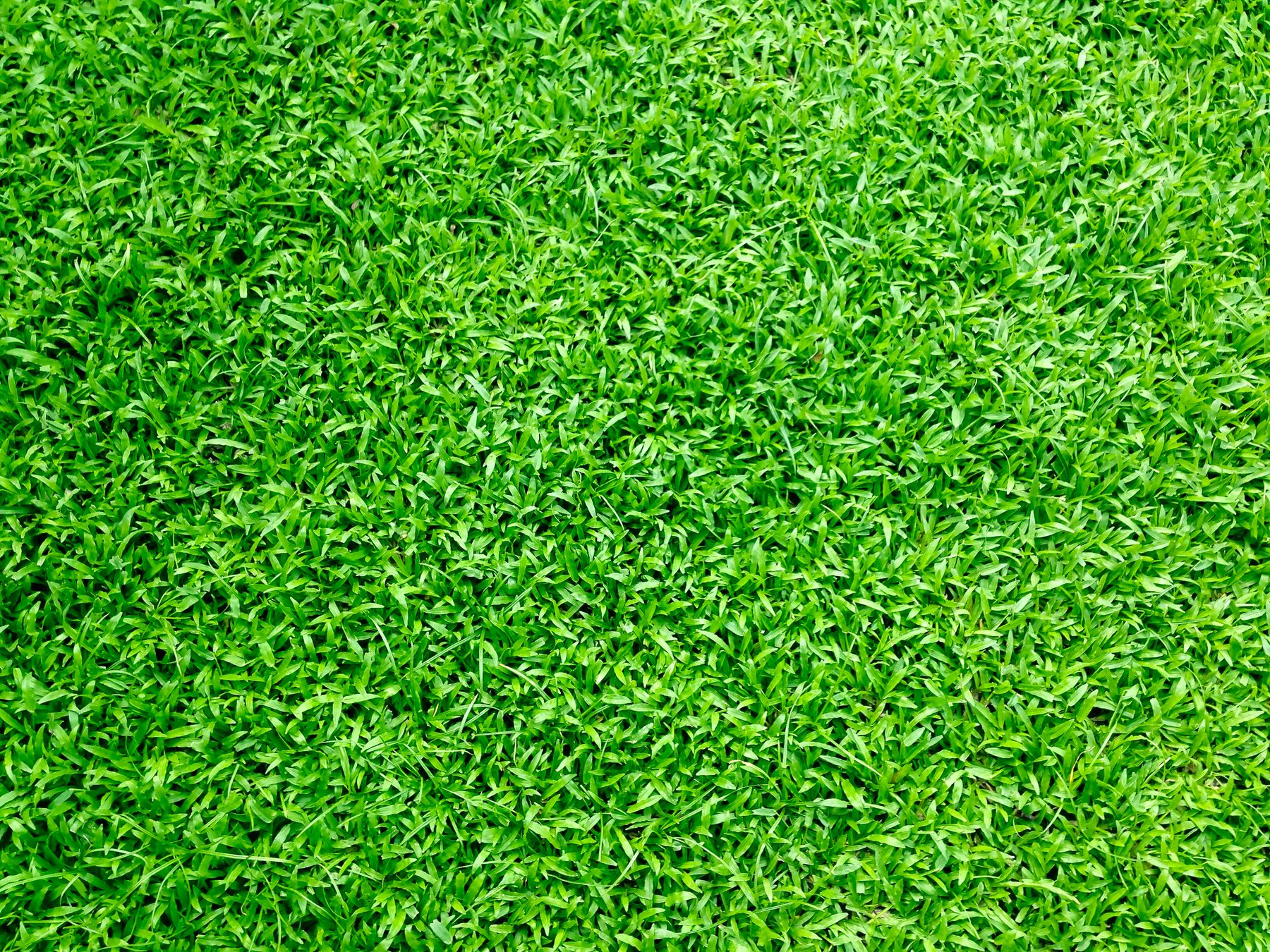
In range
Neighbours overlap. Colour holds. This is what you want the dry patch to become.
Too much in the wrong place
The walk is dark. The far corner is pale. Water left the lot.

What you are seeing on the lawn
A dry edge along a fence is often a head that never reached. A dry doughnut around a head is often grass grown over the cap, or a filter full of grit.
Sun and dog traffic can mimic a dry spot. If the soil under the patch is moist, it is not an irrigation miss.
Common problems
Most dry spots have a local cause. The rest of the zone can look perfect.
A head buried in thatch
The stream hits grass two inches from the nozzle. The far radius never forms.
A new bed or walk
Hardscape cut the throw. Nobody moved the head or added a matched one.
A clogged nozzle
Grit turns a full fan into a spike. One thin jet, one dry wedge.
South-facing clay
The same minutes that keep a shady side green will leave a hot bank pale. That zone may need its own run.

What to look for
Walk the dry patch at the end of a zone, while the grass is still wet.
- Is the soil under the brown dry, or still cool and damp?
- Do neighbouring streams meet, or is there a gap?
- Is one head sunken, tilted, or stuffed with grass?
- Did the patch appear after a walk, a fence, or a new bed?
- Is the walk wet while this corner stays pale?
Customer tips
A five-minute walk tells you whether this is a clock problem or a head problem.
Feel the soil, then change the clock
Wet soil under brown grass is not asking for more minutes.
Clear the cap
Pull grass out of the head before you order a part. Many dry rings start there.
Note when it showed up
A patch that arrived after construction is a layout miss, not a dry summer.
When to consider a change
A cut throw, a mixed head, or a hot bank that never catches up may need a new head or a split zone.
When to call a professional
Call when more than one patch repeats each year, or when adding time only soaks the middle.
Key takeaways
- Read the shape of the dry patch before you add minutes.
- A gap between heads is overlap. A ring around one head is often that head.
- Wet soil under brown grass is not an irrigation miss.
- A new walk or bed can cut a throw overnight.
- The middle can be soaked while the edge stays dry.