
What a manifold is, and why it matters
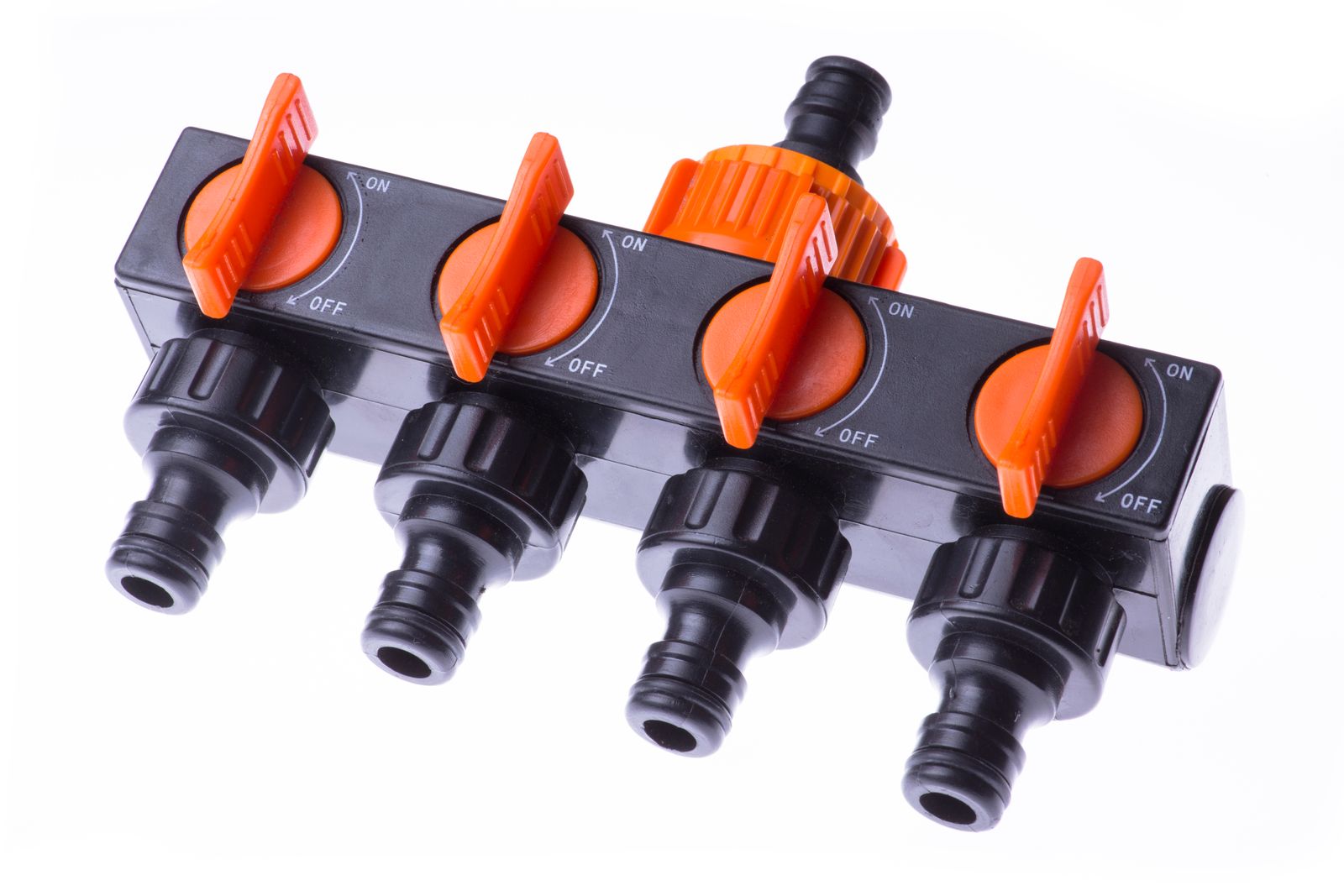
A manifold is one supply that splits into a valve for each zone. The heads you see on the lawn are downstream of that box. If a valve stays shut, that zone is dry. If it weeps, that zone never fully stops.
Most GTA boxes sit in the front bed or beside the walk, with a green lid you can lift. The lawn looks finished because the plumbing is meant to stay out of sight. That is also why a leak can run for weeks.
How a solenoid actually opens the water
The controller sends 24 volts to one solenoid. That coil lifts a small plunger. Pressure above the diaphragm bleeds off, and house pressure lifts the diaphragm. Water goes to that zone only. When the voltage drops, the plunger seats, the chamber refills, and the valve closes.
24 volts open one leg. The rest stay shut.
A healthy valve is either closed or fully open. A weep is a diaphragm that never quite seats.
How a bad valve shows up on the lawn
A stuck-closed valve leaves a dry zone no matter what the clock says. A weeping valve keeps one run of heads wet between programs. A cracked manifold wets the box and the soil around it, often before you notice a head.
Shut tight
The lid is dry. Neighbouring zones run and stop. This zone waits its turn.
Open on command
You hear the click. Pressure arrives. The heads pop and match. When the click ends, they drop.
Weeping or cracked
The box is a puddle. One zone never quite shuts. In freeze season, that standing water is the break.
What you are seeing at the box
If the lid sits in a wet crater after a dry day, a valve is passing or a fitting is cracked. If one zone never starts and the solenoid is hot, the coil may be open. If every zone is weak, the trouble is often before the manifold, not in it.
This is why you lift the lid before you add minutes. The leak is often already in the box.
Common problems
Manifold trouble is usually grit, a tired diaphragm, or a box that sank.
Box buried or lost
Mulch and sod hid the lid. Nobody can service a valve they cannot find.
Weeping diaphragm
Grit under the rubber keeps a thin sheet of water moving. The heads never fully drop.
Cracked body or tee
A winter without a blow-out, or a box that filled and froze, splits the plastic. The crater is the tell.
One solenoid stuck
The clock counts down. That zone stays quiet. The other three sound normal.

What to look for
Lift the lid while a zone is running, then again after it stops.
- Can you still see the lid, or did sod close over it?
- Is the box dry, damp, or a puddle on a dry day?
- Do you hear a click when that zone starts?
- Does one set of heads stay up after the program ends?
- Are the wires on that solenoid tight, or green and brittle?
Customer tips
Keep the box findable. Most valve work is simple if you can reach it.
Mark the lid
A photo, a paver, or a note on the controller beats probing the whole front yard every spring.
Do not pack soil on the valves
The box needs air and a way for a leak to show. Fill it to the lid and you hide the weep.
One zone at a time
If two zones run together, a valve is passing or two wires are shared. That is a box job, not a clock job.
When a diaphragm swap is enough
The box is otherwise dry, the solenoid clicks, and only a thin weep remains. The rubber is the cheap part.
When to call a professional
Call when the box is a crater, when a zone never starts, when two zones run as one, or when you cannot find the lid without cutting the lawn.
Key takeaways
- The clock sends voltage. The valve in the box opens the water.
- A manifold is one supply with a valve per zone.
- A weep is a diaphragm that does not seat, not extra minutes on the clock.
- A wet crater around the lid is a crack or a passing valve.
- If you cannot find the box, you cannot fix the zone.